Keeping a pet indoors can reduce exposure to some hazards, but it doesn’t remove the need for ongoing health care.
Indoor cats may never roam the neighborhood. Dogs may spend most of their time inside except for short walks or bathroom breaks. That lifestyle can limit certain outdoor risks, but indoor pets can still develop dental disease, weight problems, mobility changes, skin concerns, or medical conditions that aren’t obvious at home.
That’s why pet preventive care still matters.
For pet owners in Ramsey, MN, understanding what indoor living does and doesn’t protect against can make it easier to build routines that support long-term health without assuming an indoor lifestyle automatically equals a low-risk lifestyle.
Why Indoor Pets Still Need Ongoing Health Monitoring
Indoor pets often live in predictable environments, but health changes can still develop gradually.
A pet may gain weight over several months. Dental tartar may build up without causing obvious discomfort. A cat may start drinking slightly more water. A dog may become less interested in stairs or play.
Because these changes can happen slowly, they’re easy to normalize.
Ongoing veterinary care can help identify patterns before they become more advanced, while also supporting needs such as nutrition, parasite prevention, dental health, vaccinations, and age-related monitoring.
The goal isn’t to look for problems where none exist. It’s to pay attention to changes that may otherwise be easy to miss.
Weight Changes Can Be Easy to Miss Indoors
Indoor pets can be especially vulnerable to gradual weight gain.
Cats may have limited opportunities for spontaneous exercise, while dogs that spend more time indoors during colder Minnesota months may become less active without a corresponding change in food intake.
Even a small calorie imbalance can matter over time.
Pet owners can monitor body condition by looking for:
- A visible waist when viewed from above
- Ribs that can be felt without pressing firmly
- An abdomen that doesn’t appear increasingly rounded
- Stable activity and mobility
- Consistent food portions
For indoor pets, enrichment can be just as important as structured exercise.
Food puzzles, interactive toys, climbing areas for cats, short training sessions, and regular play can all encourage movement.
Veterinary guidance can add context by helping owners determine whether a pet’s weight, body condition, and activity level remain appropriate.
Dental Disease Can Affect Indoor Pets Too
Dental disease has nothing to do with whether a pet spends time outdoors.
Plaque forms on teeth every day. Without appropriate care, it can harden into tartar and contribute to gum inflammation, periodontal disease, pain, and tooth loss.
Indoor pets may still develop:
- Persistent bad breath
- Red or swollen gums
- Visible tartar
- Broken teeth
- Difficulty chewing
- Dropping food
- Changes in eating habits
Cats can be particularly good at hiding oral discomfort, while dogs may continue eating despite dental pain.
Dental health is therefore an important part of long-term care regardless of lifestyle.
Home toothbrushing, appropriate dental products, oral monitoring, and professional pet dental services when needed can all help protect comfort and oral health. Pet owners can also learn more about how dental exams fit into routine pet wellness visits.
Indoor Pets May Still Need Parasite Protection
One common misconception is that indoor pets cannot be exposed to parasites.
Risk may be lower for some animals, but it isn’t necessarily zero.
Parasites can sometimes enter the home through other animals, people, or the environment. Dogs that go outside even briefly may also encounter mosquitoes, ticks, fleas, or contaminated areas.
An indoor cat living with a dog may have a different exposure profile than a cat living in a completely pet-free household.
Recommendations should reflect the individual pet’s lifestyle rather than relying on the label “indoor.”
That’s one reason veterinary care is most useful when it’s individualized.
Pet Wellness Exams Can Provide Important Health Context
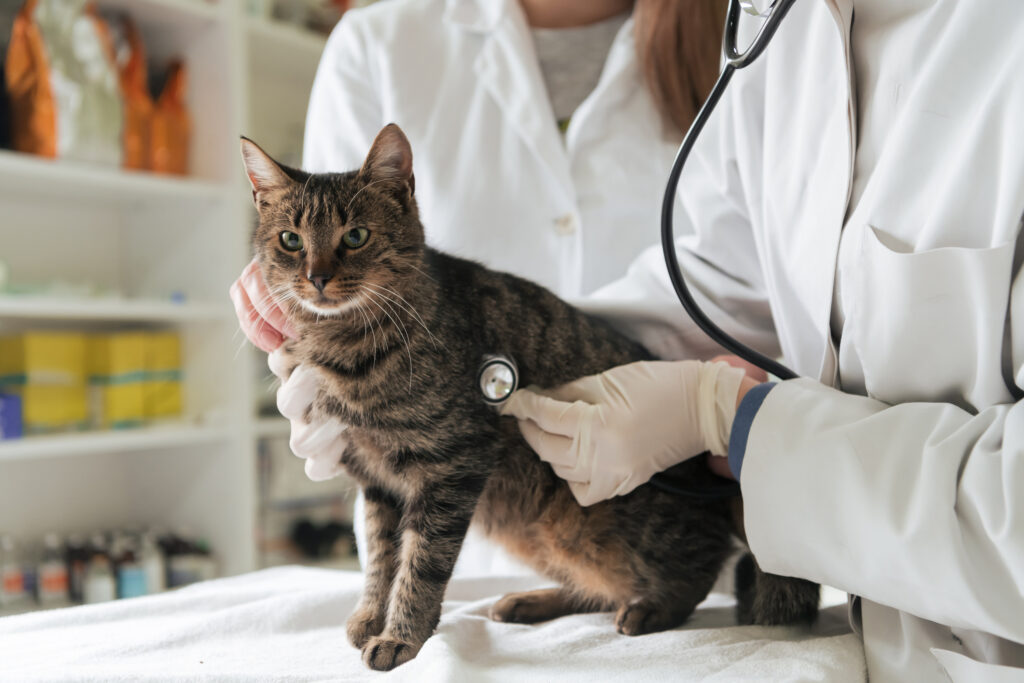
Pet wellness exams are one veterinary service that can help identify changes that may not be noticeable at home.
During an exam, a veterinarian may evaluate:
- Weight and body condition
- Heart and lungs
- Eyes and ears
- Skin and coat
- Teeth and gums
- Joints and mobility
- Muscle condition
- Other physical findings
For indoor pets, this can be especially helpful because owners may assume that a quieter lifestyle explains gradual changes.
A cat sleeping more might simply be relaxed, or there may be another reason worth discussing. A dog becoming less active may be aging, gaining weight, experiencing discomfort, or responding to another health change.
Wellness exams don’t replace the broader role of pet preventive care, but they can provide useful checkpoints.
Annual Vet Exams Help Establish a Baseline
A single veterinary visit provides information about a pet at one point in time.
Annual vet exams can be more useful when current findings can be compared with previous ones.
This can reveal trends such as:
- Gradual weight gain
- Muscle loss
- Worsening dental disease
- New skin changes
- Changes in heart or lung findings
- Reduced mobility
- Shifts in body condition
For indoor pets, these comparisons matter because many health changes don’t create immediate symptoms.
The pet may still eat, sleep, play, and interact normally while something is beginning to change.
Ramsey Pet Owners Can Monitor Indoor Habits at Home
Home observation can provide valuable information between veterinary visits.
Once a month, consider asking:
- Is my pet eating the same amount?
- Has water intake changed?
- Is body weight or shape different?
- Has activity increased or decreased?
- Is my pet jumping, climbing, or using stairs normally?
- Does the mouth or breath seem different?
- Have bathroom habits changed?
- Is the skin or coat changing?
- Is my pet sleeping significantly more?
- Has behavior changed?
You don’t need to document every detail.
The goal is to recognize differences from your pet’s normal routine.
A short note on your phone can be helpful if you notice something that continues for several weeks.
Veterinary Services in Ramsey, MN Can Reflect Indoor Lifestyles
Indoor living isn’t one single lifestyle.
One indoor cat may live alone and never leave the house except for veterinary visits. Another may share the home with dogs that spend significant time outdoors.
Some dogs may spend most of the winter inside but become very active during warmer months.
Those differences matter.
For owners looking for veterinary services in Ramsey, MN, sharing details about daily routines can help veterinary recommendations better reflect real exposure and activity levels.
Useful information includes:
- Time spent outdoors
- Contact with other pets
- Boarding or daycare
- Diet and treats
- Activity level
- Seasonal routine changes
- Previous medical concerns
Those details can help Ramsey vets make more individualized recommendations.
Health Needs Change as Indoor Pets Age
Indoor pets may live long lives, which means their health needs can change significantly over time.
Young pets may need support for growth, vaccinations, parasite prevention, dental habits, and early development.
Adult pets often benefit from monitoring weight, nutrition, dental health, activity, and emerging changes.
Senior pets may experience differences in:
- Muscle mass
- Mobility
- Appetite
- Weight
- Hearing or vision
- Sleep
- Dental health
- Behavior
Care should evolve with those changes rather than remaining identical year after year.
A feeding routine that worked for a young adult cat may need adjustment later. A dog that once maintained a healthy weight easily may need changes as activity slows.
Vet Exams in Ramsey, MN Can Help Separate Aging From Health Changes
Owners often wonder whether a change is simply part of getting older.
Regular vet exams in Ramsey, MN can help provide context.
Questions worth discussing include:
- Is my pet’s weight still appropriate?
- Is reduced activity expected or concerning?
- Does their diet still fit their age?
- Are dental needs changing?
- Should parasite prevention be adjusted?
- Are there new screening recommendations?
- Which changes should I monitor at home?
Having those conversations can make it easier to distinguish normal lifestyle changes from concerns that deserve further attention.
Indoor Pet Care at Ramsey Animal Hospital
Living indoors can reduce certain risks, but it doesn’t make pets immune to dental disease, obesity, age-related changes, or hidden health concerns.
At Ramsey Animal Hospital, we help pet owners in Ramsey, MN make informed decisions about pet preventive care based on each pet’s age, lifestyle, health history, activity level, and individual needs. Our veterinary team can help evaluate weight, nutrition, dental health, parasite protection, routine monitoring, and other priorities for indoor pets.
If your indoor pet is due for veterinary care, you’ve noticed a gradual change, or you’re unsure which services are appropriate, schedule an appointment with Ramsey Animal Hospital. We can evaluate your pet’s current health, discuss their indoor lifestyle, and recommend practical next steps designed to support their well-being over time.