Pet Preventive Care in Ramsey, MN
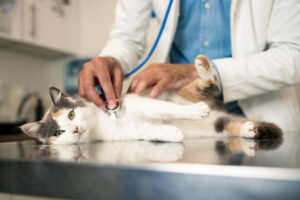
Minnesota’s seasons can dramatically change how pets spend their time.
Warmer weather brings more outdoor activity, insects, wildlife, and recreation. Colder months may shift routines toward travel, boarding, grooming, and indoor environments.
At Ramsey Animal Hospital, pet preventive care accounts for that changing pattern. Vaccinations, flea and tick prevention, heartworm protection, parasite screening, and other proactive measures can all help reduce preventable health risks.
Rather than treating prevention as a once-a-year checklist, preventive vet care can be reviewed as your pet’s health, activities, and seasonal routine change.
Call Now Book appointmentWhy Preventive Care Matters for Pet Health
Pet preventive care is intended to reduce the likelihood of certain diseases, infections, and parasite-related problems before symptoms develop.
Preventive care services for pets may include:
- Vaccinations
- Flea and tick prevention
- Heartworm protection
- Parasite screening or testing
- Travel-related recommendations
- Additional measures based on exposure
These recommendations are chosen according to the individual pet rather than automatically applied to every patient.
Pet wellness exams, also commonly called annual vet exams, are also part of preventive veterinary care.
During a wellness exam, the veterinarian evaluates current health, performs a physical examination, and tracks changes over time. Routine examinations can help identify developing concerns and may reduce the chance that some problems progress into emergency veterinary situations.
Wellness findings can also help guide recommendations for vaccination, parasite prevention, screening, and other proactive care.
This page focuses specifically on those preventive measures and the health risks they are intended to address.
Protecting Pets From Infectious Diseases
Vaccination provides protection against infectious diseases pets may encounter through other animals or shared environments.
Dogs may receive vaccines against diseases such as rabies, distemper, and parvovirus, with other recommendations based on risk.
Cats have different vaccination needs that may be influenced by age, household environment, outdoor activity, and contact with other animals.
Puppies and kittens generally begin with a vaccine series while their immune systems develop. Adult pets may need boosters or revised recommendations as their circumstances change.
For Ramsey pets, travel, boarding, outdoor recreation, and contact with unfamiliar animals can all be relevant to vaccination planning.
The objective is targeted protection based on credible exposure rather than a universal schedule for every pet.
Parasite Prevention Across Minnesota Seasons
Parasite prevention is particularly connected to Minnesota’s seasonal cycle.
Spring thaw and warmer temperatures can increase outdoor activity and bring renewed tick and mosquito exposure. Summer often means more time in yards, grassy areas, trails, wooded spaces, and recreational settings.
Ticks may transmit disease. Mosquitoes can spread heartworms, while fleas and intestinal parasites can also affect dogs and cats.
Fall may extend outdoor exposure well into cooler weather.
Winter changes the pattern, but travel, boarding, and indoor interaction with other animals remain important considerations.
Because exposure can vary throughout the year, parasite protection should be discussed according to your pet’s routine rather than turned on or off automatically based on the season.
Preventive Care That Changes With Your Pet’s Routine
Ramsey pets often move between different seasonal routines.
A pet that spends much of the summer outdoors may have a quieter winter. Families may also travel, visit cabins, board pets during vacations, or change recreational habits from year to year.
These shifts can influence preventive recommendations.
Changes worth discussing include:
- More frequent outdoor recreation
- Regular cabin or weekend trips
- Boarding or daycare
- Travel outside Minnesota
- Increased contact with wildlife
- Adding another pet to the household
The purpose of preventive planning is to respond to meaningful changes without making care unnecessarily complicated.
Local and Seasonal Health Risks in Ramsey, MN
Ramsey’s mix of suburban living, open spaces, wildlife, and easy access to outdoor recreation gives this page a distinctly seasonal focus.
Spring can quickly change a pet’s environment as snow melts and outdoor activity increases. Summer brings longer days outside, while fall can continue the same exposure until colder weather settles in.
Many Minnesota families also travel to cabins, lakes, wooded areas, or other recreational destinations with their pets.
Those habits can affect parasite exposure and contact with wildlife or unfamiliar animals.
During colder months, risk may shift toward travel and shared indoor environments rather than disappearing.
When discussing prevention with Ramsey vets, explaining how your pet’s routine changes through the year can provide useful context for vaccination and parasite recommendations.
Building a Preventive Care Plan Over Time
Preventive needs can evolve as pets age.
Young pets often need developing vaccination schedules and parasite protection.
Adult dogs and cats may need recommendations adjusted when travel, recreation, social contact, or household routines change.
Senior pets still benefit from preventive veterinary care, even when their activity level decreases.
Wellness exams help monitor current health throughout these stages and provide an opportunity to review broader preventive recommendations.
If another concern is identified, pet dental services or other veterinary services may be recommended separately. Dental evaluations may also be part of regular wellness visits when oral health is assessed.
Each recommendation can then be connected to a clear purpose within your pet’s overall care.
Your Trusted Vets in Ramsey, MN
Ramsey Animal Hospital provides veterinary services in Ramsey, MN, for dogs and cats throughout the surrounding community.
Our preventive approach considers current health, seasonal routines, travel, environment, and relevant exposure.
For families searching for vets in Ramsey, MN, personalized preventive care helps keep protection aligned with the risks that matter most throughout the year.
Keep Your Pet’s Protection Current
Seasonal routines change, and preventive recommendations may need to change with them.
Whether your pet spends more time outdoors, begins traveling, starts boarding, or enters a new life stage, reviewing current protection can help ensure nothing important has been overlooked.
Contact Ramsey Animal Hospital to schedule a preventive care visit and discuss which vaccines, parasite protections, screenings, and other measures may be appropriate now.

Frequently Asked Questions About Pet Preventive Care
Minnesota’s seasonal changes make year-round preventive planning especially important. These questions address several situations Ramsey pet owners may encounter.
How do wellness exams support preventive care?
Wellness exams are part of preventive veterinary care. They evaluate current health and help veterinarians determine whether vaccines, parasite prevention, screenings, or other proactive recommendations should be adjusted.
Should preventive care change between summer and winter?
It may. Outdoor activity, parasite exposure, travel, boarding, and contact with other animals can vary significantly by season in Minnesota.
Do cabin trips affect preventive recommendations?
They can. Time near wooded areas, wildlife, standing water, or unfamiliar animals may change parasite and disease exposure. Mention frequent cabin trips when discussing prevention.
Should preventive care be reviewed before boarding?
Yes. Boarding increases contact with unfamiliar animals and shared environments. Reviewing vaccination and parasite protection before a stay can help confirm current recommendations.
Can travel outside Minnesota change preventive needs?
Yes. Other regions may have different parasite and infectious disease risks. Share your destination with your veterinarian so those exposures can be considered.